

When Jennifer Tsai, OD, opened Line of Sight, a cold-start practice in the new Hudson Yards development in New York City about five years ago, she quickly realized that her patients, many of them younger, were focused on sustainability. They were coming in with their reusable water bottles and embraced a holistic approach to eye care. “This is a new generation of patients who are looking to be environmentally friendly,” she says.
Dr. Tsai recognized that many of her patients perceived environmental issues as more pressing than their predecessors had. They wanted to make a difference but often didn’t know their options, she says.
At the same time, the COVID-19 pandemic raised awareness about contact lens hygiene and care. Dr. Tsai says one-day lenses gained popularity. But whether patients articulated it or not, she could see that some were concerned about the plastic and foil waste from contact lenses, particularly for daily disposable lenses and blister packs—all of which are too small to be recycled with curbside recycling. So, when Dr. Tsai discovered Bausch + Lomb’s ONE by ONE recycling initiative, she jumped at the chance to get involved. This program is an initiative from the company and TerraCycle, dedicated to recycling used contact lenses and their packaging and eye care products.
FOSTERING AN ECO-FRIENDLY COMMUNITY
To encourage recycling in her practice, Dr. Tsai offers patients samples of artificial tear drops and other eye care products in exchange for their used items. That serves as a reinforcement and demonstration of her commitment to the cause. “I also care about carrying brands that are sustainable, making sure we cut down our footprint,” she says.
By promoting recycling and eco-friendly practices, Dr. Tsai has fostered a strong sense of community in her practice. “People want to be part of that, knowing we engage in something beyond the practice alone,” she says. This connection matters now more than ever, as people are more inclined to choose practices and brands that align with their values.
EDUCATING PATIENTS AND STAFF
Dr. Tsai highlights the necessity of educating patients and staff about the recycling program. Most patients are unaware that they can recycle their eye care products. “They know it’s wasteful, but they don’t know they have the option to recycle,” she says. “It’s our job to help educate them.”
This proactive approach not only raises awareness but can also boost daily contact lens sales and encourage patients to return for annual eye exams by motivating them to bring in their used items for recycling. Dr. Tsai has noticed that patients are increasingly asking about other items they can recycle at the office, reflecting a growing awareness and interest in sustainability, especially when encouraged.
A HEALTHIER PLANET
Dr. Tsai’s initiative goes beyond recycling. It’s about creating a culture of environmental responsibility within the realm of eye care. As a business owner and role model for her community, she emphasizes the importance of caring for the planet. She urges people to consider the impact of their choices when it comes to eye care waste, such as the consequences and waste generated by flushing contact lenses down the toilet or sink.
“If we’re not ahead of the curve, we’ll be behind it,” Dr. Tsai says. Her recycling initiative and commitment to the environment reflect her dedication to her patients and her practice. By actively engaging with her community, she is paving the way for a greener future, one contact lens at a time.
In fact, patients have come to her asking if she can accept their old eyewear for recycling or repurposing.
BAUSCH + LOMB’S RECYCLING IMPACT
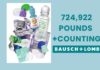
In April, Bausch + Lomb announced that the recycling programs have collected a total of 103,169,500 units, or 625,026 pounds, of used contact lenses, eye care and lens care materials in the U.S. That’s equivalent to the weight of approximately 600 concert grand pianos1.
The bauschrecycles.com site allows users to search for nearby ONE by ONE recycling centers and drop off their waste in the designated recycling containers. When the bins are full, they are sent to TerraCycle, which recycles the waste into raw materials that manufacturers use to create new products. This initiative offers a seamless way for patients to recycle the eye care waste that would otherwise end up in the trash. “It’s a low-effort way to engage my community and make an impact,” Dr. Tsai says.