
 January is Glaucoma Awareness Month. The Cultural Responsiveness blog from Latinos en Optometry and VSP Vision calls attention to the critical role optometrists play in improving early detection, patient understanding and long-term management of glaucoma—particularly within Hispanic/Latino communities that face elevated risk and persistent disparities in care.
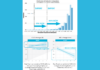
Glaucoma remains a leading cause of irreversible vision loss in the U.S. Research shows that non-Hispanic Black adults have a higher prevalence of glaucoma than non-Hispanic White adults, and adults in Hispanic and other racial/ethnic groups also have elevated glaucoma prevalence compared with non-Hispanic White Americans.1 Despite advances in diagnostic technology and treatment, many patients—especially those in higher-risk populations—are still diagnosed at later stages of disease, when vision loss has already occurred.

“Optometrists are well equipped to diagnose and manage glaucoma clinically,” says Angelica Cifuentes, OD, board member of Latinos en Optometry. “However, early detection and long-term success depend just as much on patient understanding, trust and follow-through. That is where culturally responsive communication and education become essential.”
Many Hispanic/Latino patients continue to view eye care primarily through a vision-correction lens rather than as preventive health care. Without noticeable symptoms in early stages, glaucoma may not feel urgent to patients—underscoring the need for clear, consistent messaging about risk, monitoring and the importance of routine follow-up.
Throughout Glaucoma Awareness Month, Latinos en Optometry encourages optometrists to:
- Reinforce the importance of comprehensive, dilated eye exams—even in the absence of symptoms
- Clearly explain what is being monitored over time, including optic nerve health, OCT findings and visual fields
- Personalize glaucoma risk discussions based on age, family history and systemic conditions such as diabetes and hypertension
- Engage family members when appropriate, recognizing their role in health decision-making
- Utilize bilingual educational resources to support patient understanding and treatment adherence
Research has shown that limited awareness and education are key contributors to delayed diagnosis and disease progression in glaucoma. Addressing these gaps through culturally informed care can improve early detection, strengthen adherence and reduce preventable vision loss.
“Glaucoma Awareness Month is an opportunity for practices to look beyond diagnosis alone,” Dr. Cifuentes added. “By embedding patient education, proactive outreach and culturally responsive communication into everyday care, optometrists can help advance eye-health equity and protect vision for patients most at risk.”
REFERENCES
- Davuluru, S. S., Jess, A. T., Kim, J. S. B., et al. (2023). Identifying, Understanding, and Addressing Disparities in Glaucoma Care in the United States. Translational Vision & Science & Technology.
(Reference available at: https://tvst.arvojournals.org/article.aspx?articleid=2792962)